Pages

Showing posts with label smelt. Show all posts

Wednesday, January 17, 2018

Dear Un-Prohibited Customers,

https://i0.wp.com/shakestirmuddle.com/wp-content/uploads/2016/02/jan-16-1919-prohibition-begins-usa-506x270.jpg?fit=506%2C270&ssl=1

Silly Laws Create Creative Outcomes. 
Ninety-eight years ago Nebraska today ratified the 18th amendment to the Constitution, pushing it over the top and outlawing the manufacture, sale and consumption of alcohol.   Washington State had already banned alcohol, both through "local option" laws and a 1918 "Bone Dry" statewide measure.  San Juan County had gone dry some years prior, following a visit from famed evangelist Billy Sunday.  In San Juan County, alcohol was illegal between 1911 and 1933.  Banning hootch was a dreadfully earnest endeavor, the notion being that boozy fathers would buck up and spend their times and money on family rather than swilling rotgut and pinching barmaids.  The reality of course was nowhere near the ideal.  Folks drank just the same but the liquor trade went underground.
San Juan County, being a boundary county between puritanical, dry American soil and a decadent and licentious Canada, became a hub for bootlegging and rum running in these years.  Islanders of that era were a web-footed bunch, many of them growing up on and around the water, and those who took to to smuggling did so as ducks take to water.  Early smugglers started with row and sailboats, and quickly moved onto more and more powerful motorboats.  


Let the Games begin.

Billy Wilson and the Black Pup.
Coast Guard and other law-enforcement agencies did their best, but local knowledge of these twisting waterways and the profit motive generally won out over  under-powered Federales.  For many years the primary enforcement boat in the Islands was the steam powered Scout, nicknamed the "Black Pup", with a top speed of 6 knots--about the speed of a well designed rowboat.  Billy Wilson, a farmer, blacksmith, bootlegger, smuggler and former owner of Jones Ranch, did some hard time in the McNeil Island Penitentiary for smuggling during those years.  He and his crew got caught hauling whiskey from Vancouver Island to Lopez and stashing the goods in various barns on the extreme South End of the island.  


Stately but slow. 

Lessons Learned.
As students of history and avid drinkers ourselves, we view Prohibition through the lens of the ongoing American push-pull between High-Minded Totalitarianism and Reality, with the entrepreneurial and unscrupulous ever-willing to rush into the breach.  Perhaps the greatest lesson of prohibition is that a state that chooses to criminalize normal behavior effectively normalizes criminal behavior, with all sorts of nasty long-term consequences.  Above all, despite any madness any government can throw at us, prohibition is an object lesson in how the human spirit, and the desire for alcohol, always triumphs.  This tension plays out to this day.  In local terms, prohibition was a glorious canvas on which people played out games of intrigue, gain and risk.  Prohibition also marked a high point in Island prosperity.  For Billy Wilson and the boys, the good times came to a crashing halt on December 5, 1933 with passage of the 21st amendment, repealing the 19th amendment.   After his release his former associates gave him 40 acres on Iceberg Point--one of the most beautiful places on earth- in gratitude for not squealing.  Billy Wilson spent his latter days brewing and drinking his own, working the dying trade of blacksmithing and raising sheep, including a purebred flock on his Iceberg Place.  We treasure the last few buildings standing from his era, and maintain a large and growing collection of Billy Wilson artifacts, including agate marbles, various hand-forged tools, and a full selection of horseshoes.  We do our best to carry on in his place and in his name. 
Billy Wilson, JFF Salutes You!  Never let local, state or federal governments get between you and your tipple of choice!

Inline image 2 

Wedding day at Jones Ranch, 1915.  

Crab Troubles.
The long-awaited West-Coast Dungeness opener has opened with a whisper, and not a bang.  The headline Washington Coast, Oregon and Central/Northern California Crab seasons all finally opened on Monday, following a prolonged wait for the meat percentage to reach acceptable levels.  Typically these fisheries open in early-mid December, in time to maximize holiday sales.  Southern California has been turning out a few crab, as has the ongoing Puget Sound fishery, but catches have been slow and pricing high.Crabbers are afraid that dropping millions of pounds of product on a soft market will crash pricing.  The big boy processors have been firing up their freezers to take the expected onslaught of product, but given the timing of this all, the offer prices are low compared to the past few years.  Southern California has been turning out a few crab, as has the ongoing Puget Sound fishery, but catches have been slow and pricing high.  Now the marquee fisheries are open, but the weather has kicked up and the crabbers are semi-striking.  So pricing is still awfully high, though extremely volatile, and crab brokers are running the thinnest of inventories in order not to get hurt when the volume finally hits and the price does tumble.  Troubled times in crab world..... order and we'll do our level best. Stay tuned for updates!!

Scallops.
Eating Pink Scallops is one of the best things about being human.  Our ancestors ate grubs and bashed each other with sticks so that a blessed few of their descendants could prance around on the seafloor scooping up scallops and the rest of us could enjoy Deep-water treats for the first time in human history.  If you are not currently serving them, why not? 

Inline image 3 


Courtesy of Erik Johnson Photography.

Urchin Bonus Round.
The state quota has been definitively thumped, but our Swinomish and Lummi friends are now hacking away at the tribal quota on urchin.  Between storms and other fisheries, urchin supply is fitful, but any urchin after the first of the year is a gift.  The urchins are getting closer to spawning--watch for white extrusions from the uni.  JFF is firmly convinced that Uni is on a one-way track to culinary glory, that urchins are the Puget Sound version of Truffles, caviar, or, well, Puget Sound Salmon, Pink Scallops and more, but in a punchier formulation.  We eat uni at every chance.  You should too. 

https://i0.wp.com/upload.wikimedia.org/wikipedia/commons/2/2e/Strongylocentrotus_franciscanus.jpg 
It's 2018 and still swingin'.

White King and Farewell to A King of Our Hearts and Plates.  
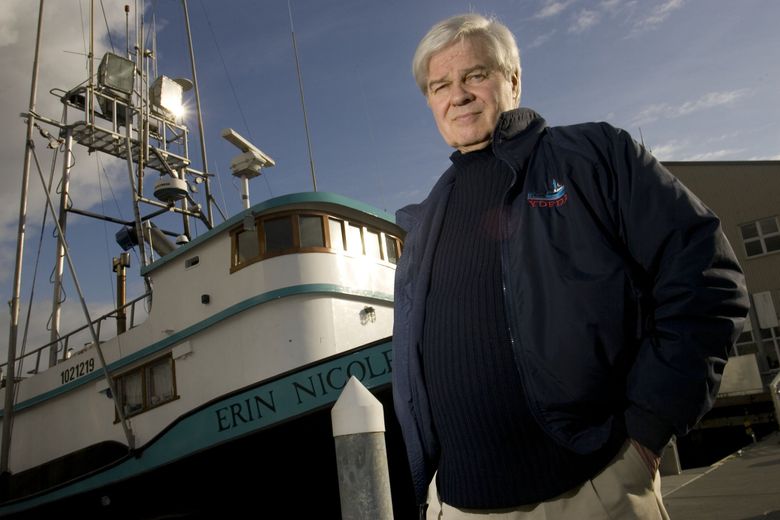
https://static.seattletimes.com/wp-content/uploads/2017/10/10042017_rowley_123528-780x520.jpg

Some months back Jon Rowley, a man we are proud to claim as a mentor, cheerleader, and friend succumbed to kidney disease.  Jon defines an era of Northwest seafood and the development of a Seattle-Specific culinary sensibility like no-one else.  He drove and  embodied the change from a volume, commodities-driven fishery to the joyful, quality focused and and sustainable fishery we enjoy and celebrate today.  All of us today in the business who aspire to do anything worthwhile are Standing on the Shoulders of Giants, namely Jon.  Those interested in Jon may find more information in a handful of excellent articles profiling Jon, includinghttps://www.seattletimes.com/pacific-nw-magazine/jon-rowley-promotes-the-tastes-we-come-to-crave/.
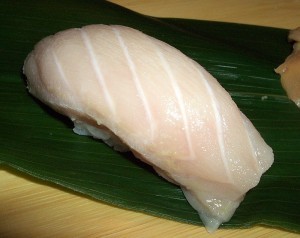
Sunday, greater Seattle gathered to mourn his passing.  Yesterday a smaller group gathered to enjoy a meal in his spirit.  We were lucky enough to furnish the salmon for this meal-- spectacular FAS Queen Charlotte Islands Ivory King Salmon.  Last night we enjoyed Kevin Davis' version of this fish, prepared for Jon Rowley's memorial dinner.  The fish is everything we could have hoped for, and a fully fitting for Jon's farewell meal. The most special of fish for the special-est of people.  We have a limited volume of this fish available as frozen or refresh, H&G or fillet.  Don't let these fish slip away without offering them on your plate!
http://78.media.tumblr.com/tumblr_l80pn9Ix3X1qcyka1.jpg 
The best of the best.

Diatoms to the Rescue. 
While the rest of the nation labors under snow and storm, we West Coasters have been enjoying an uncommonly sunny winter, reminiscent of dimly remembered Washington winters of the early 1980s.   At Jones Ranch this means the winter grain is shooting up and the elderberries are leafing out.   At the shellfish farm we have seen the first algae of the season, the slimy, ground-swelling chain diatoms.  This is about three weeks earlier than usual.  What this means is that algae eaters, including oysters, are getting an unexpected gift of food and flavor-boost.  To you, this means that all Washington oysters are developing the high, glory flavors of early spring early this year.  We can already discern the high, lingering flavors of spring in the animals.  It has been a long, long time since we have seen an early spring here.  Every winter puts northern folk to the test and every spring is a gift and a joy, whether it comes in January or in April.  Here's to the oysters, here's to the weather, here's to the single celled photosynthesizing critters who make it all happen.  

Algae Eaters, and Eaters of Algae Eaters, give thanks.  

JFF list Highlights 1.16.18.  
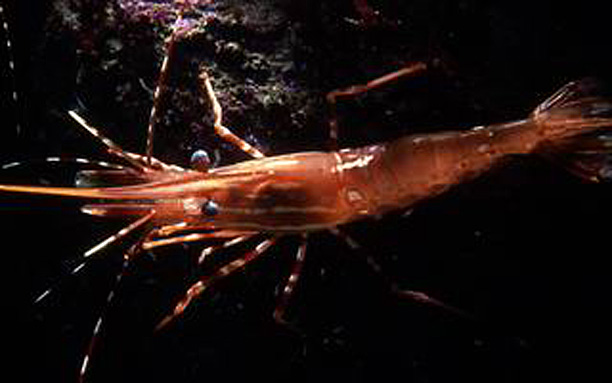
Pink Scallops, FAS Ivory King, Nisqually Oysters, Monkfish, John Dory, Giant Pacifc Octo,                            Lopez Island Smelt, Quinault Steelhead, AK Spot Prawns, OR, Brine Packed.    


Until Next Time, we are your Bone-Dry-Voting, Proudly-Tippling, Black Pup-Dodging, Crab-Troubling, Scallop-Extolling, Uchin-Encore-ing, Rowley-Waking, Oyster-Loving, Plankton-Identifying, JFF Crew.

N&S

Call or write! We promise to write back, especially if you place an order!

Monday, June 19, 2017

Grain is in! Record Smelt Catch! Scallop Update! Baker River Sockeye!!! Spring Fisheries + Crab Summer Series....Let the games begin!!! Restaurant Review--Lopez Welcomes Ursa Minor!!

Dear Unseasonably Cold Customers,

Inline image 3
The Barley is Up!

2017 has been quite a spring.  Puget Sound Spring fisheries have been delayed, sidetracked and generally unsatisfying.  Alaska fisheries have been just fine, but the big-ticket fisheries are only now getting kicked off.   As far as JFF farming activities, things are textbook.  Following a late start due to the wetness, we got the last of our grain crops in Sunday the 4th, just before the weather turned.  So our fields are turning to carpets of green as the plucky little shoots enjoy moderate temperatures and abundant moisture.  Barring some freakish weather happenstance this summer or fall, a plague of grasshoppers or other such act of celestial nastiness, we are dialed for an excellent crop!!!  
Lopez Smelt Bonanza!!!
Of the many kinds of smelt available, river smelt, ocean smelt and surf smelt, we prefer our islands surf Smelt. They are larger, sweeter and, handled by us, fresher than any other we have seen or handled. 
Randy O'Bryant, our smelt fisherman, is a fisher of opportunity.  He goes smelting around the tides, weather, WDFW imposed opening limits, availability of help, condition of his back and another few hundred variables.  Fishing smelt does not mean catching--the technique is to set a curled net off the beach for a few hours on either side of the top end of the tide, ideally at dusk, and wait for a marauding school of smelt to swim along on its way to spawn on the beach.  More often than not the catch is nothing, or small enough that it ends up getting parcelled out o the fisher-help.  But a good catch can be huge.  Back in the day smelt seining was the winter occupation for salmon fishermen or loggers when the woods got too wet and nasty.  Fried, pickled, grilled or sauteed, smelt are a rare treat.  Mild and flavorful, they have all the strange, bony glamour of herring or sardines but a cleaner, fresher flavor.
At one time all the islands' beaches were fished, at least occasionally, and to this day, a fair handful of smelt nets lurk in garages and tumbledown sheds.  These days Randy is the last one with an active fishery, he even built a completely new net a few years back.  His smelt haunt is a small pocket beach on the South side of Mud Bay, on the South End of Lopez.  Our local smelt come to the island to spawn year-round, with fish having dramatically different qualities at different times of year.   Uniquely, they spawn at the very top end of the tidal range, meaning the eggs, once laid, spend substantial amounts of time out of the water.  This means that smelt are easily caught while spawning.  A few years back our boys used baseball caps to catch spawning smelt down the beach from the shellfish farm.  Winter smelt are small and shiny, summer smelt are larger and fatter.  Late spring we usually see a few catches of glorious, pendulous, orange-bellied smelt.  These smelt, bursting with roe and milt, are the high-point of the years' smelt.  Like every other form of marine life, Smelt are highly cyclical and the last few years have marked a down cycle, and we have come to expect smaller and less frequent catches.  That said, this spring we have seen signs of rebounding smelt.  Mornings at the shellfish farm, the beach has been littered with dead, spawned out smelt that didn't quite make it back into the water.

Inline image 4The White Stuff is Smelt Sperm. 
Given the variable catches we have learned not to get too excited about any given day of smelting.  We have learned this lesson the hard way over the years.  We stockpile no ice, prepare no boxes and we promise nothing to customers.  This means that when the catch is strong, we are unprepared.  Last Thursday night Randy had the largest catch of his career, 1487# of glorious, flopping, orange-bellied, egg-spewing fish, with at least twice that volume turned loose.  We pulled the Jackrabbit, a funky, mostly stripped Astrovan, out of pre-scrap yard retirement, grabbed a 5-gallon bucket for a seat, loaded it to the shocks with ice and smelt and headed off to cold storage.  During the course of the day, the Jackrabbit developed a small but persistent electrical fire in the console, the side door fell off and the front-to-back prisoner barrier gave way, landing 200-300# of smelt in the front passenger seat.  But the smelt made it just fine.  Randy O'Bryant and the persistent, delicious Surf Smelt, JFF Salutes You!!  Remember, we always have frozen smelt and once in a while, fresh.  Special thanks to Gary Lawrence for the use of this beautiful photo. 

Scallop HiatusAs any sharp-eyed Fish-O-Gram reader knows, our new pink scallop fishery is a year-round endeavor.  However, they are extremely susceptible to red tide, or PSP (paralytic shellfish poisoning).  Last week PSP levels began to climb in Whatcom County, and plankton monitoring in Eastsound came up with some volume of Alexandrium cells, the plankton that causes red tide.  We have been steadily testing our waters and found some increased PSP in blue mussels, but not yet in the scallops.  Monday's samples from our waters showed PSP levels in the mussels dropping.  However, Whatcom county continues to light up, with the latest samples from Birch Bay and Semiahmoo heading up to danger levels.  Given the speed with which scallops take up the toxin, we have decided to suspend shipments until the PSP situation stabilizes.  Look for further updates! Scallop absence can only make the heart grow fonder.  Also, another excellent and timely scallop article came out recently in Thrillist.  https://www.thrillist.com/eat/ seattle/singing-scallops-seatt le-seafood.  Thank you, Naomi!
https://blogger.googleusercontent.com/img/b/R29vZ2xl/AVvXsEjtFGlSLHfSL0sTI2_NnFsPRm3KGgO5oJZqkEssNI_-uKBtrUsSX4d79FHM-v7C5AAbSetbT7nHOQfz8R2TxQ_Dell1Zeiq107or0QTtpbzHOTKZ3NHyOAqHn4QBFDpRdIkewiMhkMrfgvd/s1600/Scallop+mini+heart.jpgUntil the dinoflagellate bloom subsides, forget me not....
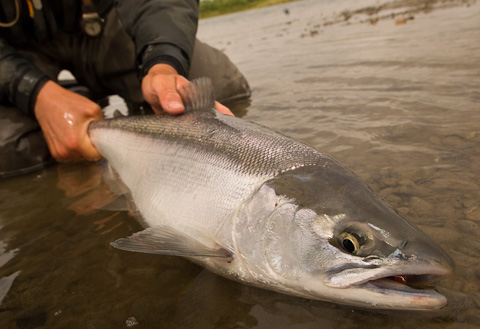
June 22!! Mark The Date!! Baker River Sockeye!!
https://www.deneki.com/wp-content/uploads/2009/10/Sockeye-Salmon-at-Alaska-West-2.jpgRiver Bound.Next Thursday, the 22nd our favorite Sockeye fishery kicks off!
Baker River sockeye are one of only a handful of early sockeye runs in Washington State.  They are a spectacular fish in every way-- they spend more time in fresh water than any other Sockeye run, meaning their fat reserves are unmatched.  Baker Sockeye have the highest Omega Three reserves of any salmon.  Baker River Sockeye have a deep and rich flavor,, but they also have a subtle, almost perfumed delicacy to them.  They are phenomenal in any salmon preparation, but they truly shine in raw, smoked, cured and pickled preparations.  Baker River Sockeye are also a testament to a tremendous fisheries success story.

The Baker River is a tributary of the mighty Skagit River.  The Baker River fish almost went extinct following construction of a power dam in 1925--reaching a low of 92 returning fish in 1985.  Since that time local tribes and Puget Sound Energy have rebuilt the run to the point where it is now fully self-sustaining and can support robust sport and tribal fisheries.  This year more than 50,000 fish are expected to return.  Our tribal partners harvest the sockeye in limited numbers in the Skagit River. Help us celebrate this culinary and conservation treasure!  Fish will be available in limited quantities starting on the 23nd and stretching for probably four weeks.  Clear Your Menus!!! The Queen of Sockeye is Almost Here!!!!
We also have a handful of flash frozen, Vaccum Packed, Pin Bone Out Baker River sockeye filets from last years' fishery.  We expect to be sold out shortly, 
Average filet size is 1.75-2.25# and they are packed in 50# cases. This is spectacular fish for an extremely reasonable price.  
Bubble Trouble
A combination of nasty weather, a persistently cold mass of water off the coast, funky politics and the usual chaos-theory nature of fisheries have piled up our typical spring fisheries.  Halibut was the victim of nasty inter-tribal brinksmanship and, very sad to say our inside tribes were not been able to capitalize on what should have been a banner year for halibut.  Fishing is generally better early in the spring for inside halibut.  The last opener very few boats bothered to fish and managers scheduled the fishery to take place during a typhoon.  Spot prawns have been equally off--low temperatures have kept catches down as the prawns are less apt to travel to bait.  So those fisheries have been slow, pricing has been ridiculously high and volume disappointing.  The summer cycle of Puget Sound crab openings has been delayed by soft crab, as the Dungeness grow and mature more slowly than usual. Coastal crab has been the only game in town and pricing has been insane.  China has gone dark on crab purchasing--another regulatory, import barrier kind of game.  So what crab has been coming in has been from the Oregon and Washington Coasts, has been weak and has been selling entirely into the domestic market, with lots of claims for deadloss.  Between slow crabbing, the balky Chinese market, and the other fisheries not performing to expectations, the bevy of China-Oriented crab buyers now operating in the state have been going through the slowest time many of them have ever known.  Most of these outfits are fairly new, Chinese-owned and have never ridden out a down-cycle in crab production or markets. The next few years could be interesting, we saw something similar a few years back when geoduck markets began to wobble.  For a good spell live tanks, seawater chillers and geoduck crates were all over Craigslist.  In any case, our crab broker friends have been seeming strained of late...... 

With export markets off the table, domestic crab markets have become a bloodbath as the players vie for market share and activity.  Last week saw a flurry of crab openers in the lower end of Puget Sound, with far too many buyers chasing too few boats, who in turn were chasing too few crab.  Prices were high, but fishing slow enough that most of the fishermen pulled pots long before the opening ended.  However, the crab were large and beautiful. 
http://www.aquariumofpacific.org/images/olc/spot_prawn_noaa.jpgCold, Lethargic and Frustrating.

Crab Price to Plummet!
Monday the first real pop opener of the season gets underway with Port Susan and Skagit Bay opening for 36 hours.  This should be some real volume--the model forecasts 350,000# to be caught in 36 hours.  So this will be the first volume test of domestic markets since April.  At the same time Canadian crabbers are starting to catch some real volume and this product is now driving pricing.  The smart money is calling for boat pricing to settle in the $3 range, down from $7.00# last week.  At these prices, Monday's opener will represent over a million dollars pumped into the local fisheries economy.  As ever, however, anything could happen.  Stay tuned!!  These crab will be large, angry, hard-shelled and bursting with meat.  Test fishing came up with 20+ crab per pot on a two hour soak.  Next opener will likely be in Boundary Bay when test catches show the crab to be hard enough.  From here on out we should have an endless supply of strong, local reasonably priced crab.  
https://cdfgnews.files.wordpress.com/2016/02/crabs-commercial-catch-in-bin1.jpg?w=1200Tip of the iceberg.  

Watery Delights Ahead!!
Alaska Salmon fisheries kick off for reals this coming week with Bristol Bay, Southeastern and Kodiak kicking in.  Alaska salmon looks strong but not spectacular this year.  We, and every other distributor this side of Duluth will have fresh Salmon For All.  Halibut continues strong, with the most consistently reasonable pricing we have seen in years.  Black Cod is readily available, but expensive.  Looking ahead, Cucumbers open on August 1, Alaska Weathervane Scallops open in July 1.  Washington, Oregon and California troll salmon seasons burn on, with decent catches and high prices.  Pink scallops shall return and our own oyster production, namely Euro Flats and Olympias, is shortly to hit the highest levels in many years.  In the spirit of thinking ahead for preparation's sake, urchin will fire up again in late September.  Urchin demand is up and California production continues to struggle to recover from El Nino, while Southeastern Alaska divers report carnage in the urchin stocks as Sea Otter populations boom.  Puget Sound urchin is currently the strongest resource on the coast and we expect competition for the resource to be very high this fall.  This will mean higher pricing and shorter seasons.  
Ursa Minor, Worth a Meal, Worth a Trip, Worth a Large Tip.  
Over the past years as we have honed our ministry, creative partnerships with chefs have been our greatest motivation, solace and inspiration.  Relationships with chefs, local, regional and beyond have been the driving force of JFF.  We stumbled onto Nick Coffey some years back at Barjot and were instantly smitten with him personally and with his food.  Nick's playful, minimalist, ingredients-driven cuisine puts him in the very top tier of the chefs we have been privileged to work with over the years.  We followed him to Ciudad and were overjoyed when Nick and (now) wife Nova decided to settle on Lopez and take over the former Haven space following Haven's upgrade to the former Bay Cafe building.
Inline image 2The House that Nick and Nova Built. 
Nick proposed to bring something new to the San Juans dining scene--his signature, stylized Northwest minimalism with an uncompromising focus on Lopez-Sourced ingredients.  No fish and chips, no New York Strip with polenta and no Cysco truck.  This was an audacious move--every chef in the county, no matter how skilled and ambitious, makes a point of anchoring menus in the familiar and well loved--flights of fancy are generally restricted to specials and wine dinners.  Nick and Nova's gamble was that exclusively focusing on his signature style would draw locals as well as visitors.  
Inline image 3Not sure what it is, but we liked it.  
Two months in, we are pleased to report that as a culinary exercise, Ursa Minor is a spectacular success.  The decor is unexpectedly simple, understated, elegant, soothing and comfortable, lending a space that has always been a little awkward the cleanly feel of a rural Mexican Church set for dinner, with hand-made pottery and zen-garden quality flower arrangements.  Service, led by Nova, is competent, relaxed and just warm enough.  The menu is limited, ingredients-driven, and is of a quality, creativity and originality to rank entirely it in it's own class.  All dishes are ephemeral, but every menu includes superlative preparations including an asparagus dish with morels and egg yolk, a braised brassica dish that, by flavor and smell evokes, in almost eerie detail, springtime tidelands, and rolling pork preparations that anchor the more far flung vegetable offerings.  Ursa's menu is characterized by consistent, extraordinary hits and no misses. 

Ursa's winelist is equally of a piece with the build-out and food.  Exquisitely chosen and paired, the beverage list is just right.  Our only complaint is that the list of non-alcoholic options needs a little fleshing out for the benefit of the little people.  In all things
 Nick and Nova have turned the potential liabilities of a small, startup restaurant and of Lopez Island, into great assets.  The food is Nick's alone, and not comparable to anything else, but in depth, execution and passion, Ursa Minor reminds us of early days at now-iconic restaurants like the Walrus, Art of the Table, Blaine Wetzel's arrival at The Willows or Sitka and Spruce.  However, the setting, both in terms of the building and the quiet, Island location, create an ambiance that is completely unique.  Ursa Minor is to the run of Farm-to-Table restaurants as Professor Longhair is to New Orleans music--wholly of a genre, but also, emphatically, it's own thing, and just like Professor Longhair, to go in expecting "When the Saints Go Marching In", or in this case, seared U-10 scallops and grilled king salmon with remoulade is to guarantee a shock.  Nonetheless, here is fair odds that Ursa Minor will come to define and inform a generation of San Juans cuisine in the same way that Professor Longhair now defines and informs--to the point of haunting, New Orleans musicians.
Now is the chance to experience his food and the realization of his and Nova's vision in the early days of what is clearly a raging love-affair with the Lopez Island landscape and foodshed.  It is also a chance to experience a budding, world-class culinary talent at current, more than reasonable pricing.  
Inline image 1Something Tasty buried under the forest floor...
Ursa Minor alone is worth a trip to Lopez from any departure point.  The Island offers many lodging options, from waterfront VRBO palaces at $650/nt, to the Edenwild Inn ($100-250ish/nt), a cross street away from Ursa Minor, to a sleeping bag in the hay mow at Jones Ranch (a six-pack per night).  
Until Next Time, we are your Smelt Packing, Scallop Testing, Sockeye Lusting, Crab Price Busting, Ursa Minor Dining, Six Pack Hustling, JFF Crew........